NZS 3404 and NZGS guidelines set the framework for retaining wall design in New Zealand, but in Gisborne the local geology adds another layer of complexity. The city sits on the edge of the alluvial Poverty Bay flats, where the Waipaoa River has deposited deep layers of silts and soft clays over centuries, while the surrounding hills expose weathered Miocene mudstone and sandstone formations. Designing a retaining structure here without understanding what lies behind and beneath the wall face is a gamble that no consultant wants to take. Our geotechnical laboratory, operating under ISO 17025 accreditation, provides the soil parameters that structural engineers need for reliable retaining wall design, from backfill shear strength to foundation bearing capacity. When the ground investigation reveals particularly challenging conditions, we often recommend integrating a slope stability analysis to confirm that the overall landform is stable before detailing the wall itself.
A retaining wall is only as good as the soil data behind it — weathered East Coast mudstone loses over 60% of its intact strength within a few years of exposure.
Technical details of the service in Gisborne
Local geotechnical conditions in Gisborne
Gisborne sits in New Zealand's seismic zone and was severely affected by the 2007 Gisborne earthquake (Mw 6.7), which triggered lateral spreading along the Taruheru and Waimata riverbanks. Retaining wall design here must consider seismic earth pressures per NZS 1170.5, but the bigger risk is often water. The city's average annual rainfall exceeds 1,000 mm, and poor drainage behind a wall can generate hydrostatic pressures far exceeding the soil surcharge. We have investigated walls where weep holes were omitted or clogged, and the resulting pressure cracked a reinforced concrete stem within two years. A thorough site investigation is the cheapest insurance against this. When soft ground is identified, ground improvement techniques like stone columns can densify the foundation soil and reduce post-seismic settlement beneath the wall footing.
Our services
Our retaining wall design support in Gisborne covers the full chain of geotechnical data acquisition, from site investigation to laboratory testing and parameter recommendations. We work with structural engineers and local contractors who need reliable input values for their designs.
Backfill and foundation soil characterization
Triaxial (CU/CD), direct shear, and consolidation tests to define strength and compressibility parameters for earth pressure calculations and settlement analysis.
Site investigation for retaining structures
CPT and SPT drilling to map stratigraphy, identify weak layers, and install piezometers for groundwater monitoring behind the wall alignment.
Drainage assessment and filter design
Gradation testing for filter compatibility and permeability assessment to ensure the drainage system can handle Gisborne's seasonal rainfall without clogging.
Frequently asked questions
What retaining wall types are common in Gisborne?
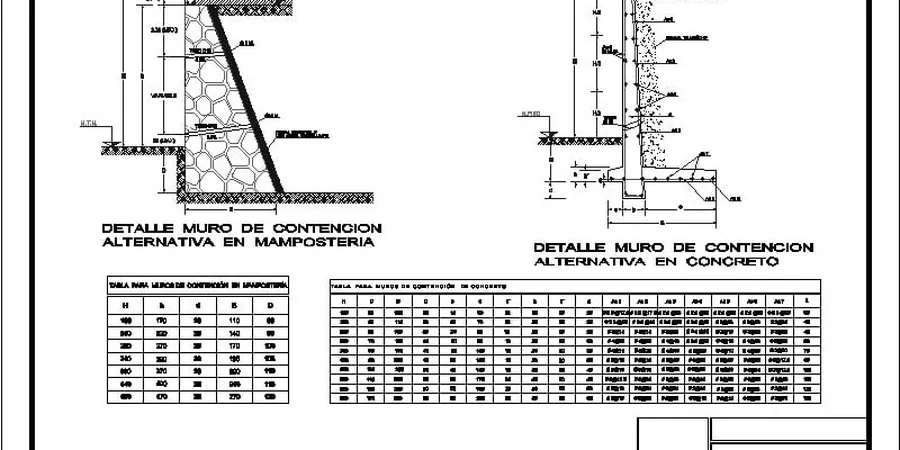
Cantilever reinforced concrete walls are the most common for residential and commercial cuts, while gravity block walls (Keystone or similar) are popular for landscaping. On the Poverty Bay flats, where soft ground is encountered, driven sheet pile walls or mechanically stabilized earth (MSE) walls are sometimes specified to tolerate settlement. The choice depends heavily on whether the wall is founded on the East Coast Formation mudstone or on alluvial deposits.
How much does a retaining wall geotechnical investigation cost in Gisborne?
For a typical residential retaining wall, a site investigation including drilling, sampling, laboratory testing, and a geotechnical design report generally falls between NZ$1.700 and NZ$7.310, depending on the wall height, the number of boreholes, and whether groundwater monitoring is required. Commercial walls higher than 3 metres usually need a more extensive scope.
Do I need a building consent for a retaining wall in Gisborne District?
Under the Gisborne District Plan, a retaining wall over 1.5 metres high generally requires a building consent, and walls exceeding 3.0 metres may also need resource consent depending on proximity to boundaries and waterways. The structural design must be supported by a geotechnical report that addresses bearing capacity, global stability, and seismic performance. Always check with a Gisborne District Council officer for your specific site.
How long does the laboratory testing take for a retaining wall design?
Standard classification tests (Atterberg limits, grain size, bulk density) are usually completed within 5 to 7 working days. Consolidated drained triaxial tests and consolidation tests take longer, typically 10 to 15 working days due to the required saturation and slow shearing phases. We always provide preliminary parameters within 48 hours of sampling so that concept design can proceed without delay.